Fire damage restoration usually includes inspecting the property, securing the structure if needed, removing debris, cleaning smoke and soot residue, addressing odor, drying areas affected by suppression water, and planning repairs. In many losses, the restoration scope includes both what burned and what was affected indirectly by smoke, soot, or water.
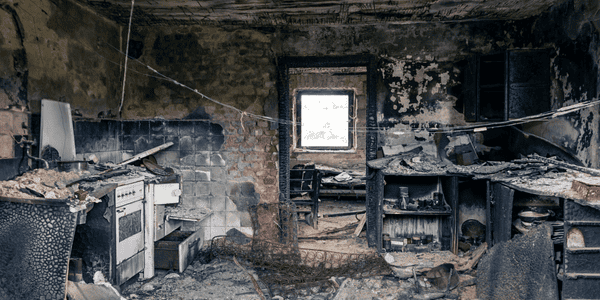
Related fire answers: Visit the Fire Damage Restoration FAQ hub, learn how smoke odor is removed, and read whether you can stay in the home.
BOR Cedar Park can help property owners move from emergency response into cleanup and restoration. For more information, visit our fire damage restoration page or use our contact page.
The first steps after the property is released for entry
Homeowners should document the visible damage and avoid disturbing heavily affected materials until the property can be assessed. Early planning helps clarify which areas need immediate cleanup, stabilization, or drying.
Smoke and soot cleanup
Smoke residue can spread well beyond the room where the fire started. Cleanup usually focuses on affected surfaces, contents, and any materials that absorbed residue or odor.
Water damage caused by firefighting efforts
Water used to suppress a fire can saturate drywall, flooring, insulation, cabinets, and stored contents. That means drying is often part of the fire-restoration process as well.
Drywall, insulation, and other materials that may need replacement
Some materials can be restored, while others may need removal and replacement because of burning, heavy smoke contamination, or saturation from suppression water. A proper inspection helps determine what is salvageable.
If you need help now, visit our contact page to request service.
More BOR Cedar Park Fire Damage Resources
For broader service details, review BOR Cedar Park’s fire damage restoration page. If suppression water affected the property too, the water damage restoration page may also help. To schedule help, contact BOR Cedar Park.