
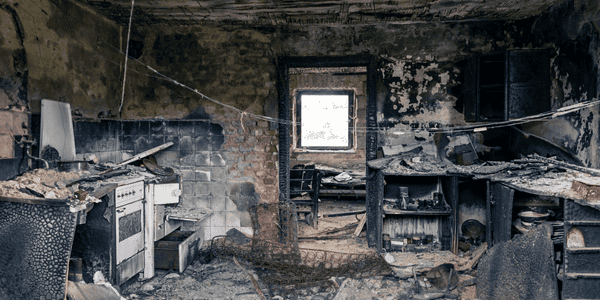
Smoke odor removal usually requires more than airing out the property. It often involves cleaning soot residue from surfaces, removing damaged porous materials when needed, filtering the air, and using professional deodorization methods to treat odor that has penetrated walls, insulation, textiles, or cabinetry.
More fire guidance: Start with the Fire Damage Restoration FAQ hub, see what restoration includes, and review whether the home can stay occupied.
BOR Austin can help assess fire-related odor issues and the broader cleanup scope. You can learn more on our fire damage restoration page or contact us through our contact page.
Why smoke odor stays in a home
Smoke particles can settle into porous materials and travel beyond the visibly burned area. That is why a property may continue to smell like smoke even after basic cleaning has started.
What professionals clean first
Initial cleanup often focuses on the heaviest soot and residue so the source of odor can be reduced before deeper deodorization begins. Surfaces, contents, and HVAC-related concerns may all need attention depending on the loss.
When odor removal requires material removal
If smoke has penetrated deeply into porous materials, some items may not respond fully to surface cleaning alone. In those cases, selective removal can be part of the restoration plan.
Why DIY cleaning may not fully solve deep smoke contamination
Household cleaning may improve light residue, but deeper smoke contamination often requires a more complete restoration process. A professional evaluation helps determine the right approach.
If you need assistance, use our contact page to request service.
Related Smoke and Fire Cleanup Pages
Smoke odor issues are often part of a larger fire-loss project. Review BOR Austin’s fire damage restoration page and contact page if you need professional help with cleanup and deodorization.