Fire damage restoration usually includes emergency stabilization if needed, debris removal, smoke and soot cleanup, odor treatment, drying of water-affected areas, and planning for repairs. After a fire, the damage is often broader than the burned area alone because smoke residue and firefighting water can affect other parts of the property.
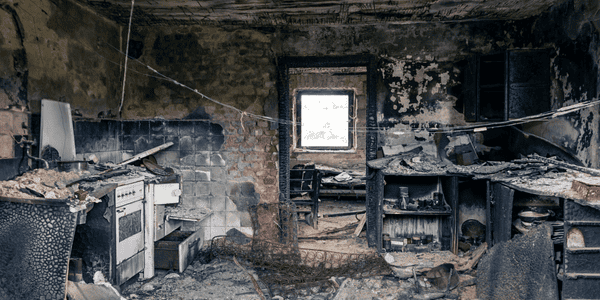
Quick fire answers: Learn what fire restoration includes, how smoke odor is removed, and whether you can stay in the home during restoration.
If your property has been affected by fire, BOR Austin can help you understand the next steps for cleanup and restoration. You can also review our fire damage restoration page or reach out through our contact page.
What does fire damage restoration include?
The process often involves inspecting the property, securing unsafe openings, cleaning debris, removing soot residue, addressing odor, drying water-affected materials, and planning repairs for damaged surfaces and contents.
How do you remove smoke odor after a fire?
Smoke odor removal often requires more than surface cleaning because odor particles can settle into porous materials, insulation, and soft contents. Professional restoration usually combines cleaning, filtration, and deodorization methods based on the severity of the loss.
Can I stay in my house after a fire?
That depends on the safety of the structure, utilities, air quality, and how much of the property was affected. In some cases, part of the home may be usable, while in others, temporary relocation is the safer choice.
How long does fire damage restoration take?
The timeline depends on the size of the fire, the amount of smoke spread, the presence of water damage from suppression efforts, and how much demolition and rebuilding are required.
What should I do right after a fire?
Once the property is released for entry, homeowners should document damage, avoid disturbing soot-heavy areas, and arrange a professional assessment so cleanup can begin in a controlled way.
Smoke, soot, odor, and water damage
Fire losses often combine multiple damage types in one event. That is why a coordinated restoration approach is usually more effective than treating smoke, water, and structural damage as separate issues.
If you need help now, use our contact page to request service.
Related BOR Austin Fire and Smoke Resources
For more detail, review BOR Austin’s fire damage restoration page and the related answer pages for service scope, smoke odor removal, and occupancy during restoration. For immediate help, contact BOR Austin.