Sewage backup cleanup: PPE, contain and extract, discard vs save, disinfection protocols, fast drying to stop mold for Cat 3 black water remediation.
Black water is not a moody coffee. It is raw sewage and floodwater full of pathogens, chemicals, and the kind of debris you do not want to meet without serious protection. If a toilet overflows from below the trap, a sewer line backs up, or stormwater pushes into your space, you are dealing with Category 3 water. This playbook walks you through what to do right now, what to toss without a second thought, what can be saved with the right approach, and how to disinfect and dry so your place does not turn into a mold nursery with a side of mystery odors. When in doubt, call Best Option Restoration or Best Option Restoration of Travis County and let certified techs handle the dirty work.
What Is Category 3 Black Water?
Category 3 water is the worst tier of water damage. It includes sewage from toilets and floor drains, rising groundwater, river or creek overflows, or any liquid that has touched soil or waste systems and then entered your building. The danger is in the mix: bacteria like E. coli and Salmonella, viruses like Hep A and Norovirus, parasites, and possibly pesticides, fuels, and heavy metals picked up along the way. Contact is unsafe for skin, lungs, and eyes. Ingestion is a hard no. Black water also seeps into porous materials fast, so time is not on your side. That is why black water remediation follows stricter rules than a simple clean water spill.
First Moves After A Sewage Backup
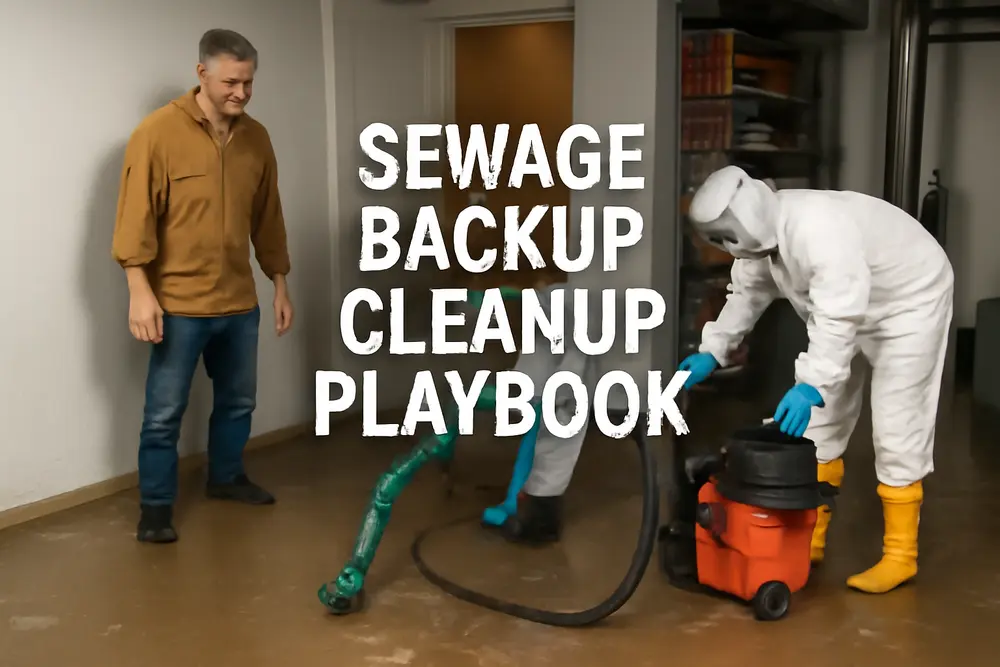
Gloves on, ego off. Before you step into the splash zone, suit up. Wear waterproof boots, heavy-duty rubber gloves over nitrile liners, eye protection, and at minimum an N95 respirator. A half-face respirator with P100 filters is better, especially if you are in a tight space. If you have disposable coveralls, use them. Make sure tetanus shots are current. Keep kids, pets, and anyone with respiratory or immune issues far away.
Kill power to affected rooms at the breaker if outlets or cords could be wet. Do not flip switches in a wet area. Shut down your HVAC to avoid aerosolizing and spreading contaminants through ducts. If you can safely stop the source, do it now. That could mean closing a valve, stopping a flush-happy fixture, or calling the city if a municipal sewer line is the culprit.
Containment is next. Close doors. Seal gaps with plastic sheeting and painter’s tape. Put a doormat or towel dipped in disinfectant at the threshold for anyone entering. If you have an exhaust fan that vents outdoors, you can run it to keep air moving out, not into the rest of the home.
If the situation tips into hazardous territory or the area is more than a small bathroom, call Best Option Restoration of Travis County. Category 3 events go sideways fast without the right equipment. You can see how we tackle water emergencies on our Water Damage Restoration page.
Extraction And Removal
The fastest way to make progress is to get the sewage out. Submersible pumps can move large volumes if you have standing water. A wet-dry vacuum with a proper filtration setup can help on smaller pools, but be ready to disinfect the unit afterwards or treat it as contaminated. Pros use truck-mounted extractors with high lift to pull out liquids and solids quickly.
As soon as water levels drop, start removing materials that cannot be sanitized. Carpeting and pad exposed to black water are done. Cut and bag them in manageable sections. Drywall and insulation that got wet need to go, typically at least 12 inches above the highest waterline to catch capillary wicking. Baseboards come off, and you will likely open wall cavities to keep moisture from hiding where it can feed mold later. If the water climbed into cabinets made of particleboard or MDF, expect swelling and delamination. Those rarely survive Category 3 exposure.
Bag waste with heavy-duty contractor bags, double them if needed, and keep them outside pending disposal. Do not drag contaminated materials through clean areas. Set up a path protected with plastic or drop cloths if you have to move things through the house.
What To Toss Vs What To Keep
Porosity decides most of this debate. The more absorbent the material, the deeper the contamination. Black water does not play fair with soft goods. Here is a quick reference to keep you out of salvage fantasy land.
| Discard | May Salvage |
|---|---|
| Carpet and padding | Sealed concrete, tile, and grout after thorough cleaning and disinfection |
| Upholstered furniture and mattresses | Solid wood furniture if finishes are intact and joints are cleanable |
| Drywall, insulation, fiberboard, MDF, particleboard | Structural framing lumber if surface-contamination only and you can clean, disinfect, and dry to target moisture |
| Rugs, drapes, textiles that soaked up sewage | Non-porous contents like metal, glass, ceramic after disinfection |
| Books and paper items saturated with black water | Appliances with sealed, unaffected components after inspection and sanitation |
Electronics and appliances are case-by-case. If sewage reached internal insulation or electronics, corrosion and contamination make them unreliable and unsafe. Replacement is often the smarter path. Our guide on what to save or replace after appliance disasters explains why some units are not worth the gamble.
Cleaning And Disinfection
You cannot disinfect dirt. First remove gross contamination and soil. Shovel out solids. Rinse hard surfaces with low-pressure clean water to push off grime without atomizing it. Scrub with a detergent solution to break surface tension and lift oily residues. Then you disinfect.
Use an EPA-registered disinfectant with claims for sewage-related pathogens. Products that list effectiveness against non-enveloped viruses like Norovirus and enteric bacteria are strong choices for this job. Follow the label exactly for dilution and contact time. If you use household bleach, preclean surfaces first and mix fresh solution the day you use it. Many jobs call for higher-strength solutions. Typical guidance for hard non-porous surfaces is 1000 to 5000 ppm available chlorine depending on the organism. Never mix bleach with ammonia or acids, ventilate well, protect your skin and eyes, and rinse compatible surfaces after the required dwell time to limit corrosion.
Work top-down so you do not re-contaminate clean areas. Keep a clean bucket and a dirty bucket to avoid cross-contamination. Switch out mop heads and rags often. For porous structural wood you are attempting to save, wet-clean the surface, apply disinfectant, allow the required dwell, then wipe and repeat until surface residue is gone. Sealing over contaminated wood with paint is not a shortcut. You have to remove contamination first.
Anything you collect in a wet-vac or pump is contaminated wastewater. Dumping it into a storm drain or onto soil is illegal in most places and definitely not safe. Use a sanitary sewer clean-out connection where allowed, or coordinate with your municipality or a licensed hauler. Our article on safe hazardous waste handling after disasters outlines the mindset you need here.
Drying Fast To Stop Mold And Odors
Once surfaces are cleaned and disinfected, the clock is still ticking. Mold can get going in as little as 24 to 48 hours on wet materials, and sewage odors linger when moisture hides in joints, cavities, and subfloors. Drying is a system, not a box fan and a prayer.
You want controlled airflow across every wet surface, dehumidification to pull moisture out of the air, and temperature in the sweet spot for evaporation without warping finishes. Air movers are placed to create laminar flow along walls and floors, typically every 10 to 16 linear feet. Dehumidifiers sized to the room volume and class of water loss collect moisture so the air does not just bounce humidity around. If you created plastic containment, you can use negative pressure inside that chamber to keep aerosols from migrating while speeding evaporation.
Measure, do not guess. Pros track moisture with pin-type and pinless meters, hygrometers, and thermal imaging to chase down cold, damp pockets behind walls and under cabinets. Log readings daily until structural materials are at or below target moisture for your climate and building. Then and only then do finishes go back up. For persistent odor control, hydroxyl generators can help treat air while occupied spaces remain safe. Ozone can reduce tough odors too, but only in unoccupied areas with proper ventilation and according to the manufacturer’s safety guidelines.
We use this same rapid-extraction-and-drying approach on every water loss. If you want the quick view of our equipment and process, check the Water Damage Restoration page. For the mold side of the story, our overview of common household molds shows exactly why fast drying matters.
When You Should Call Pros
If the affected area is larger than a small bathroom, if contamination soaked into walls or subfloors, if the backup touched your HVAC system, or if you have anyone at home with health vulnerabilities, bring in a certified restoration team. Same if there is any hint of chemical contamination like fuel or pesticide odors, or if you see structural movement, sagging, or electrical hazards. Category 3 events are where training and equipment prevent secondary damage and long-term problems. Best Option Restoration of Travis County handles black water remediation daily. We set containment, extract fast, remove what cannot be salvaged, disinfect to standard, and dry to measurable targets.
Post-Cleanup Checklist
After the last blower is quiet and the disinfectant has done its job, you are not quite finished. A smart post-cleanup routine keeps things clean and your nose happy.
- Schedule a reinspection of hidden cavities you opened before you close them. Moisture checks now save rebuild regrets later.
- Clean and sanitize tools, boots, and any gear used in the affected area. Treat them like they were there, because they were.
- Replace HVAC filters and have ducts inspected if the system was running during the incident.
- Document everything with photos and moisture logs for insurance. The adjuster likes proof, not vibes.
- Address the cause so you do not star in a sequel. That might mean a root intrusion fix, a backwater valve, or grading and drainage improvements.
Maintenance Tips That Actually Work
Backups like repeat performances. You want the one-and-done tour. Get your sewer line inspected with a camera every couple of years, especially in older homes or if trees love your yard. Install a backwater valve so municipal surges do not use your floor drain as an exit ramp. Keep roof drains and yard drains clear. Do not flush wipes, even if the package swears they are flushable. They are not. Grease belongs in the trash, not your pipes. If your property is in a flood-prone area, elevate utilities and use materials that can handle water at the lowest level of the building.
DIY Vs Pro: A Reality Check
We get it. You want to handle things. But Category 3 work is closer to hazmat than housekeeping. The right disinfectant requires the right dwell times. Extraction equipment matters. Airflow patterns matter. Moisture measurements matter. If your project starts with two buckets and a mop, it is probably not the kind of sewage cleanup that should be a DIY. Bring in Best Option Restoration when the stakes are high and the water is black. We keep you safe, we follow standards, and we get the building ready for a real rebuild, not a cover-up.
FAQs
Can I Stay In The House During Sewage Backup Cleanup?
If the affected area is isolated, contained, and you have a safe, uncontaminated part of the home to live in, maybe. If odors are strong, contamination is widespread, or you only have one bathroom and it is out of commission, it is smarter to relocate during active cleanup and drying. Pros can set up negative air and containment to reduce disruption, but safety always wins.
Is Bleach Enough For Black Water Remediation?
Bleach can be part of the plan, but it is not a magic wand. It only works on hard, non-porous surfaces that have been precleaned, and it needs the correct dilution and dwell time. If organic soil is present, its effectiveness drops. EPA-registered disinfectants designed for sewage-related pathogens are usually a better choice. Always read the label and ventilate well.
What If The Sewage Touched My HVAC System?
Turn it off immediately. Do not run the fan. Ducts and air handlers can aerosolize contamination and spread it throughout the building. You will need a pro to assess, clean, or replace affected components. Filters get replaced, and duct cleaning or replacement may be on the table depending on exposure.
How Do I Get Rid Of The Smell?
Odor is stubborn because it comes from compounds trapped in damp materials. The fix is not perfume. You need thorough source removal, disinfection, and complete drying. After that, targeted odor treatments like hydroxyl generators can help. Ozone is effective too, but only for unoccupied spaces managed by trained techs. If the smell lingers, you missed moisture or contamination somewhere.
Will Insurance Cover A Sewage Backup?
Sometimes. Homeowner policies often exclude sewer and drain backups unless you added that specific endorsement. Flooding from outside is a different policy. Document everything and call your agent early. A certified company will provide the drying logs and scope details insurers expect.
Further Reading And Standards
If you want to nerd out on the standards that guide our work, here are a few solid resources:
- CDC guidance on sewage overflows
- EPA List N disinfectants and always confirm label claims for enteric viruses and bacteria
- IICRC for industry standards like S500 water damage restoration procedures
- From our team: how to test and disinfect private wells after floods for a deeper understanding of disinfectants and testing
Need Backup For Your Backup?
If your weekend just turned into a biohazard, call Best Option Restoration. We handle sewage backup cleanup from the first pump to the last moisture reading, and we do it fast. Best Option Restoration of Travis County can set containment, extract, demolish what needs to go, disinfect the right way, and dry everything to target. Then we help you plan the rebuild so you are better protected next time. When the water is black, bring in the pros who do not flinch.