
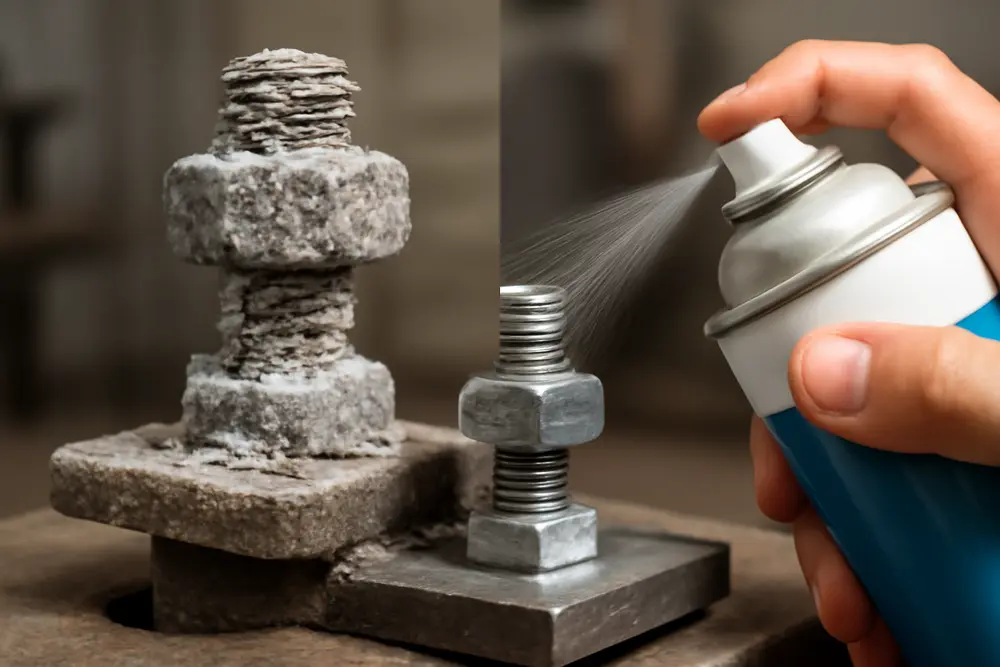

Storm surge doesn’t just leave sand in your shoes. It leaves invisible chloride crystals everywhere, and those crystals love water, hate metals, and turn your home into a low-voltage chemistry experiment. Post-flood salt residue neutralization is how you stop the hidden battery effect that chews through wiring, HVAC coils, appliances, fasteners, and even brand-new repairs. If you want real galvanic corrosion prevention, you need the right rinse, the right cleaners, smart material choices, and a line in the sand on what gets cleaned vs what gets replaced. Here’s how Best Option Restoration of Travis County handles it, and how you can get ahead of the slow-burn damage before it gets creative.
Salt Residue: The Hidden Battery
Salt from storm surge is mostly sodium chloride, but coastal floodwater is a grab bag of chlorides. Once that water dries, you’re left with crystals that pull humidity from the air, dissolve into a thin film, and act like an electrolyte. Any bare or chipped metal in contact with that film can corrode. Any pair of dissimilar metals touching in the presence of that film can corrode faster. Painted stuff isn’t safe either if the coating is scratched, thin, or incompatible with salty conditions. Left alone, salt residue keeps reactivating with every muggy morning until metal is pitted, electrical connections go high-resistance, and HVAC coils leak refrigerant. Short version: salt is petty, persistent, and ruthless if you let it stick around.
What Is Galvanic Corrosion?
Picture two different metals shaking hands while standing in a puddle. The less noble metal gives itself up, atom by atom, to protect the more noble one. That’s galvanic corrosion. Your home has plenty of mixed-metal couples: copper lines touching steel hangers, aluminum fins bolted with zinc-plated screws, stainless brackets fastened to carbon steel frames. Add salty moisture and you’ve built a tiny battery. The current is small, but the damage adds up. Galvanic corrosion prevention is about removing the electrolyte, breaking that metal-to-metal contact, or coating one or both surfaces so the handshake never gets conductive in the first place. If you like the science, the galvanic series explains which metals sacrifice themselves first, but you don’t need a PhD to know that salt plus mixed metals equals trouble. You can skim a clear overview here: galvanic corrosion basics.
Rinse Or Replace? The Honest List
Some things rebound with a proper rinse and protection. Others are a ticking time-bomb after salt exposure. Here’s the straight talk.
| Component | Rinse And Save | Replace Likely |
|---|---|---|
| Electrical Panels, Breakers, GFCIs | Surface salt on exterior can be rinsed and coated once power is off and enclosure is dry. | Anything submerged or with internal corrosion, pitting, or residue inside. Breakers and GFCIs that got wet should be replaced by a licensed electrician. |
| Branch Wiring & Connections | Exposed copper that didn’t get submerged can sometimes be cleaned with isopropyl alcohol, then dried. Replace corroded terminals. | Wiring that was underwater or shows green corrosion under insulation, or any crimped/spliced connections with corrosion. |
| HVAC Outdoor Condenser Coils | Fresh water rinse, coil cleaner, then apply HVAC-grade protective coating. Replace dissimilar fasteners with 316 stainless. | Severely pitted fins or leaking coils. Motor bearings that ingested brine. Rusted structural bases that lost integrity. |
| Furnace/Handler Control Boards | Light salt film can sometimes be removed with 90 to 99 percent isopropyl alcohol and careful drying. | Submerged boards, white crust on solder joints, or any that arc, smell burnt, or fail continuity testing. |
| Appliance Exteriors & Frames | Rinse, degrease, remove salt, dry, and spot prime/paint exposed steel. | Internal foam insulation that got wet, corroded control modules, or door gaskets packed with silt. See our save-or-replace guide: appliance recovery. |
| Fasteners, Brackets, Hangers | Light surface rust can be cleaned and coated if metal thickness is intact. | Any fastener with heavy rust, pitting, or white rust on zinc. Swap to marine-grade 316 stainless or compatible alloys. |
| Insulation (Wall, Appliance, Duct) | Uncommon. If it stayed dry and only got misted, consider professional evaluation. | Wet or salty insulation traps moisture and salts. Remove and replace to prevent mold and hidden corrosion. |
| Drywall & MDF Trim | Minor salt film can be cleaned if materials never got wet. | Anything that wicked floodwater. Porous materials hold salts and should be removed. |
| Well/Water Equipment | External housings can be rinsed and disinfected if not submerged. | Submerged electrical or control parts. Follow testing and disinfection steps similar to our well guidance: well safety after floods. |
Safe Cleaning Steps That Work
Start with safety. Cut power at the main breaker before you touch any electrical component. Wear gloves, eye protection, and a respirator if you’re around aerosolized cleaners or moldy materials. Keep gas appliances isolated until cleared by a pro.
Begin with a fresh water rinse to dissolve and carry off salt crystals. Low-pressure hose is your friend. On HVAC coils, keep the nozzle back to avoid folding fins. For interior metal frames, enclosures, and appliances that only saw spray or splash, use a bucket with warm water and a mild detergent to lift grime so salt can flush clean. Avoid vinegar and bleach on metals. Vinegar is acidic and can accelerate copper attack, and bleach introduces more chlorides that drive corrosion. If you need a stronger option, use a chloride remover made for salt contamination. Many of these pair surfactants with chloride binders and leave behind a corrosion inhibitor film.
After the wash stage, rinse again with fresh water. If you’re cleaning electronics or control boards where water is allowed, follow with a rinse of distilled or deionized water to minimize mineral spotting, then use 90 to 99 percent isopropyl alcohol to push out water and speed evaporation. Drying is not a quick nap. Use fans and dehumidifiers, open removable panels, and give motors and enclosures real time to shed moisture. If insulation got wet, remove it promptly so salt and humidity don’t camp out where air cannot reach.
Once dry, protect clean metals with a compatible inhibitor. Thin-film corrosion inhibitors, waxy preservatives, and dielectric greases on terminals help seal out salty air. Just keep lubricants and coatings off belt contact surfaces, sensors, and any area where heat transfer matters unless the product is specifically rated for coils.
Inhibitors And Protective Coatings
Fresh water is step one, but it’s not the finish line. You need something that makes it harder for salt and oxygen to reach clean metal. For general metal housings and brackets, a light film of a moisture-displacing inhibitor works well. There are several reputable products on the market that create a persistent, non-tacky barrier. For exterior steel, prime any bare metal and topcoat with a marine-grade epoxy or polyurethane paint. Touch up chips before they spread.
HVAC gear needs a different approach. Outdoor coils can be coated with HVAC-rated hydrophilic or epoxy systems that are thin enough to preserve heat transfer. Many manufacturers approve specific coil coatings that reduce salt penetration. Do not improvise here. Too thick, and you throttle efficiency. Right product, right film build, right cure window. Coastal installers often add sacrificial anodes or specialized systems to bias corrosion away from the coil. You can read more on the coastal coil reality here: coastal HVAC coil tips and dedicated protection solutions from vendors like coil protection systems.
For terminals and mixed-metal joints, use dielectric grease under lugs and on exposed threads. Consider nylon or polymer isolators between brackets and dissimilar metals. If the joint must conduct electricity, the insulator belongs under the fastener head or between dissimilar non-current-carrying parts, not between electrical contacts that need conductivity.
HVAC Near The Coast
Condensers, heat pumps, and mini-split outdoor units are salt magnets. The sea breeze delivers a fine mist of chlorides that crust up on fins. After flooding, that crust is thicker and gets sucked deeper into the coil pack. Rinse the unit with fresh water from all reachable angles. Let it drain, then apply an HVAC-approved coil cleaner, rinse again, and allow it to dry fully before powering back on. If your unit hums all day a few blocks from the bay, make fresh water rinsing a habit. Monthly is a solid start during the humid months. Swap cheap fasteners for 316 stainless, add isolation pads where copper lines touch brackets, and inspect paint chips and base pans for rust. If you keep burning through coils every couple of years, talk with an HVAC pro about factory-coated coils, sacrificial anode systems, or relocating the unit to a less exposed side of the property. Formicary corrosion, which makes pinhole leaks in copper tubes, loves humidity and pollutants. It’s not exactly galvanic, but salty air does it no favors.
Electrical And Electronics
Salt on energized parts is asking for arcing, tracking, and nuisance trips. Leave panel interiors, meter bases, and service equipment to a licensed electrician. As a rule of common sense and safety, submerged breakers and GFCIs get replaced, not rehabilitated. Outlets and switches that were underwater also go in the bin. For equipment that only saw salt spray, you can sometimes save it if you catch it quickly. Kill the power, open the enclosure, and look for white crust on copper, green fuzz under insulation, or any grey film across plastic parts. Clean only if you can isolate the board or part safely. For boards, 90 to 99 percent isopropyl alcohol and a soft brush can lift contamination. Use minimal pressure. Rinse with distilled water if the manufacturer allows, then wick dry with lint-free wipes and move plenty of air across the part before reassembly. Corroded terminals and pitted contacts should be replaced, not polished and prayed over.
Appliances, Insulation, Metals
Appliances are a mixed bag. Exterior steel and aluminum panels usually clean up. Inside is another story. If floodwater got into internal foam insulation, that foam becomes a salt sponge and a mold buffet. That’s grounds for replacement. Control boards, sensors, and sealed motors are case-by-case. If a fridge took a shallow splash and the board compartment stayed dry, a careful clean might save it. If it sat in brackish water, it’s time to shop. We keep a simple rule: if you can’t fully rinse and dry it, don’t trust it. For more on save vs replace logic, here’s our breakdown: what to save or replace.
Insulation in walls, ceilings, or ductwork that got wet should come out. Porous fiberglass and cellulose hold salts, which keep drawing moisture back into metal studs, screws, and hangers. That is how hidden rust starts. Remove, dry the cavity, treat exposed metals, and reinstall with fresh insulation. Any salt-saturated debris should be handled smartly. Bag it, label it, and follow local guidance. Our quick guide helps here: safe debris disposal.
Material Choices And Fasteners
If you fix it with the same parts that failed, expect a rerun. For exterior brackets, railings, condenser stands, and roof hardware, go up to 316 stainless or aluminum that plays well with neighboring materials. Avoid putting copper in direct contact with galvanized steel in wet areas. Where dissimilar metals must meet, add non-conductive gaskets, sleeves, or tape. Rework painted assemblies by priming bare spots with a zinc phosphate or epoxy primer, then topcoat with a system rated for marine or coastal use. Even small changes like switching to stainless self-tappers with a nylon washer under the head can break a galvanic couple that was eating a panel seam for breakfast.
Aftercare And Monitoring
Once you neutralize the initial mess, treat your home like it lives near salt water, because it does. Rinse exterior metal fixtures, gates, and condensing units every few weeks in season. Inspect fasteners twice a year and after big storms. Repair paint chips when they’re tiny, not after you can fit a fingernail under them. Keep indoor humidity under control with ventilation, dehumidification, and A/C that actually cycles air. Change HVAC filters on schedule so airflow across the coil stays steady and corrosion inhibitors on the fins don’t get gunked up. If you see new rust blooms, white powder on zinc, or green crust on copper, do not wait for it to get character. Clean, coat, or replace as needed.
When Should You Call A Pro?
Call Best Option Restoration when anything electrical or gas-related is involved, when metal loss looks structural, or when salt got into places you can’t reach without pulling assemblies apart. If you notice recurring coil leaks, tripping breakers, or metal that keeps flashing rust after repeated cleanings, a deeper fix is probably needed. We handle heavy rinsing and extraction, controlled demolition for salty materials, corrosion inhibitor application, and we coordinate with licensed electricians and HVAC techs to verify repairs. If your water system or well equipment was affected, match your cleanup with testing and disinfection protocols similar to those used after floods. You can start here: well testing and disinfecting.
FAQ: Quick Answers
Can I just hose everything off and be done?
Hosing is the first move, not the last. Rinse, then wash with a cleaner that lifts residues. Rinse again, dry thoroughly, and follow up with inhibitors or coatings. If you skip the drying and protection, the salt that’s left will pick up humidity and start the show again.
Is vinegar good for neutralizing salt?
No. Vinegar removes mineral scale, not chlorides, and its acidity can accelerate corrosion on copper and some steels. Use fresh water, mild detergent, and a chloride-removing cleaner designed for salt contamination.
How fast does galvanic corrosion start?
Immediately, if dissimilar metals are touching and there’s a conductive film. You might not see it for weeks or months, but the electrochemistry kicks off as soon as salty moisture closes the circuit.
Can I save a breaker panel that wasn’t submerged but got misted?
Maybe. With power off, an electrician can inspect the interior. Light surface film can be cleaned and the enclosure dried and protected. If there’s residue inside, pitting, or any component got wet, standard practice is to replace affected parts for safety.
What about drywall that didn’t get soaked but has a salty film?
If it stayed dry, you can wipe it with a slightly damp cloth and a mild detergent, then dry the surface. If the wall absorbed water, the gypsum likely wicked salts. That material should be removed so moisture and salts do not linger inside the wall cavity.
Will bleach help on metal surfaces?
Skip bleach on metals. It adds chlorides and can make corrosion worse. Use cleaners rated for salt removal and leave bleach for hard, non-metallic surfaces where disinfecting is required and manufacturer guidance supports it.
How do I protect my HVAC coil long term?
Rinse with fresh water routinely, keep filters clean, use an HVAC-approved coil coating, swap to 316 stainless fasteners and brackets, and consider sacrificial or specialty protection systems if you live very close to the water. Here’s a practical read on coil protection: coastal coil care.
Who should I call if I’m not sure what to replace?
Call Best Option Restoration. We can triage what’s salvageable, coordinate safe electrical and HVAC inspections, and handle the salty debris and cleanup correctly so you’re not paying twice for the same repair six months from now.