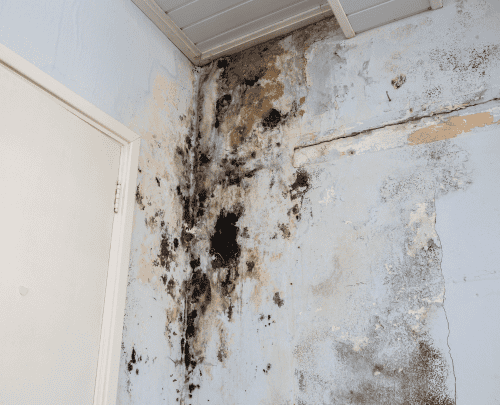
Mold in a house should be taken seriously because it can affect indoor air quality and may create concerns for some occupants, especially when the growth is widespread, hidden, or linked to ongoing moisture problems. Even when the visible area looks limited, mold can signal that water is present where it should not be.
Related mold answers: Visit the Mold Remediation FAQ hub, review remediation versus cleaning, and read how long remediation may take.
BOR Austin helps homeowners respond to water-related property damage and the conditions that often lead to mold growth. You can learn more on our water damage restoration page or use our contact page to request assistance.
Why homeowners should not ignore mold growth
Mold often indicates an unresolved moisture source such as a leak, hidden plumbing issue, roof intrusion, or poor drying after a water loss. Ignoring the problem can allow the affected area to grow larger and make restoration more disruptive later.
Common signs that suggest a remediation issue
Visible staining, repeated reappearance after cleaning, musty odor, soft drywall, warped trim, and damp flooring can all suggest that moisture is still present. These are signs that the issue may be larger than a cosmetic surface problem.
When to schedule a professional inspection
Homeowners should consider an inspection when the source of moisture is unclear, when the mold keeps coming back, or when the affected area may extend behind walls, ceilings, or cabinets. A professional evaluation can help determine the next steps more confidently.
Why musty odor matters even when mold is hidden
Odor can be one of the earliest clues that moisture and microbial growth are active inside concealed spaces. If the smell persists, the property often needs more than routine household cleaning.
If you need help now, visit our contact page to request service.
More BOR Austin Mold Resources
If mold appeared after a leak, overflow, or storm-related intrusion, review BOR Austin’s water damage restoration page. For help assessing next steps, return to the mold FAQ hub or contact BOR Austin.