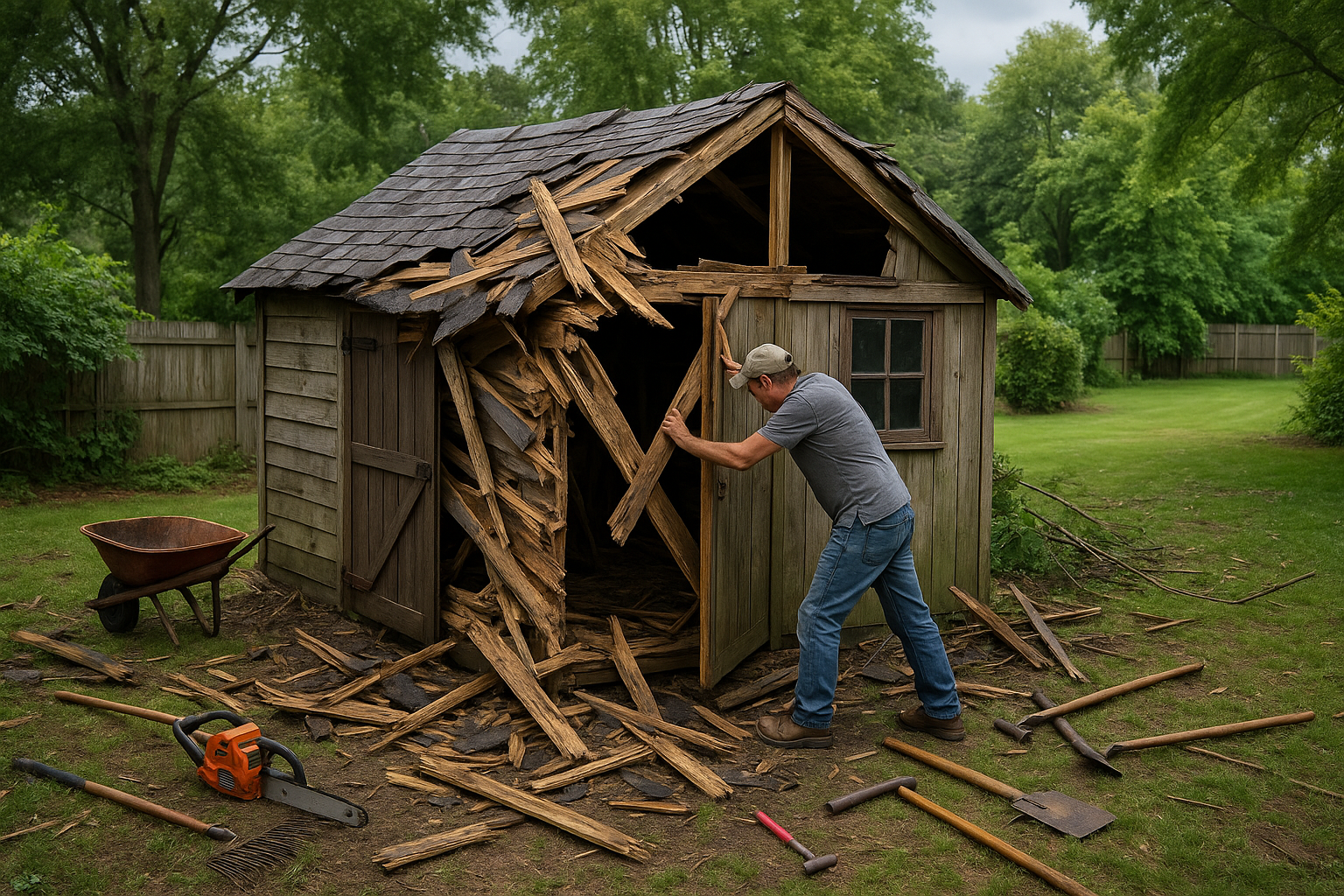

Garden sheds, greenhouses, and storage buildings offer valuable utility for any property. When disaster strikes, these outdoor structures often suffer unnoticed damage while most concerns focus on primary residences. Taking the right steps after a storm, flood, or fire protects your investment and restores safety. This article is your guide to shed disaster recovery and rebuilding outdoor structures. You will get a deep look at assessing damage, repairing sheds, managing tools and mold, and understanding when a rebuild makes more sense. Whether you are handling minor damage or facing a total loss, these tips support a reliable recovery.
Initial Steps for Shed Disaster Recovery
Safety comes first after any incident. After a storm or flooding, hazards can linger. Before entering your shed, check for exposed nails, unstable portions, or electrical hazards. If in doubt, call professionals to clear debris or inspect for unseen risks. Prioritize your safety above all tools or possessions. Once safety is clear, move to a careful evaluation of the damage. Look for roof leaks, wall buckling, standing water, or visible mold. Pay attention to warped wood, cracked siding, damaged windows, and anything that could allow pests or further moisture in the future. Inspect nearby trees or branches which may have hit your shed unnoticed.
Take photographs of every compromised angle, including close-ups of structural issues and contents. Written notes add detail for memory or future insurance claims. Save receipts during cleanup and keep a log of your actions and repairs. This documentation can greatly speed up insurance processing and guide repair estimates.
Evaluating Sheds and Outdoor Structures
Assessment shapes your entire recovery plan. Review each feature of your shed structurally and functionally. Check floors for moisture buildup and wood rot. Look up to spot ceiling stains or soft boards. Outdoor buildings can hide water damage for weeks, so probe for hidden dampness and sniff for a musty scent. Bring a flashlight and check corners for dark or wet spots likely to become mold colonies.
Door frames often swell after moisture exposure, making locks stick. Windows may have cracked or lost their seal. Take stock of shelving, hooks, and built-in workbenches. List every item stored in the shed, then inspect each for flood residue, rust, or moldy surfaces. Label items as repairable or unsalvageable. For greenhouses, evaluate glass panes, seals, ventilation, and electrical systems. For storage units, verify the roof and siding integrity and check for possible roof penetration or ground-level seepage.
Managing Cleanup and Securing Debris
After documenting, clear the area by removing fallen branches, glass, nails, and soaked insulation. Wear protective gloves and boots. Separate what can be dried and repaired from debris that must be discarded. Discard all perishable or heavily contaminated items.
If the structure is sound, start drying the inside using fans and opening all doors and windows. Dehumidifiers pull moisture out of wood and air, especially helpful after floods or long rain exposure. This step helps prevent future mold spread and allows you to evaluate the underlying condition of framing or flooring once fully dried.
Carefully salvage hand tools, electric equipment, and gardening accessories. Rinse dirt and mud from tools, then dry fully to reduce future corrosion. Treat metal with a spray lubricant to add a protective coating once they are dry. Power tools require immediate drying and may need professional servicing to prevent internal corrosion.
Addressing Mold and Water Issues
Mold develops within two days under damp conditions. After a storm or flood, time matters when drying out your shed. Any musty odor or discoloration signals mold risk. Clean minor surface growth using a mixture of water and detergent. Wear a mask, goggles, and gloves to prevent inhaling spores. Dispose of anything with heavy mold penetration, such as old paper, cardboard, or fabric.
For moderate or heavy mold, a restoration specialist must intervene. Professionals use specialized treatments and air filtration to make the environment safe again. Best Option Restoration of Travis County provides both mold remediation and structural drying services. Do not ignore water stains or damp walls. Even if damage looks small, hidden mold may still spread behind walls and under the floor. Keep humidity low with ongoing ventilation or a dehumidifier until the building feels completely dry.
Repair Techniques for Sheds and Outdoor Structures
Once clean and dry, shift focus to restoration. Start with the structure itself. Reinforce or replace any framing that feels soft, warped, or shifted. Replace sheathing panels or roof coverings with moisture-resistant materials if possible. Fix or upgrade fastening points for added strength against future storms. Wooden sheds need special attention to rot and splitting. Plywood may delaminate and require replacement. Tin or metal siding can rust along the seams but small patches may salvage most panels if caught early. Use galvanized nails or screws for repairs, as they resist corrosion better than untreated ones.
If the shed includes electrical service, have an electrician inspect wiring and outlets before restoring power. Waterlogged outlets or hardwired fixtures often need full replacement for safety. Likewise, check solar panels or lighting for water intrusion. Repair or replace damaged doors and windows. Install new weather stripping as old rubber seals often degrade rapidly after soaking. Caulk gaps in siding to keep out rodents and moisture. Consider plywood shutters or reinforced hinges for sheds in storm-prone areas. For greenhouses, replace broken glass, repair seals around windows, and inspect any heating or irrigation systems for leaks. Examine floor surfaces for erosion or underlayment movement.
Protecting Tools and Equipment
Every shed holds valuable tools, lawn equipment, and storage bins. Leaving them damp leads to rust, corrosion, or mold. As soon as possible, remove all items, then clean and air dry. Wipe metal surfaces with a cloth treated with a light oil such as WD-40. Store temporarily in a dry indoor space or garage until repairs are finished. For power tools, open removable covers and expose internal parts to dry airflow. Batteries or cords that were submerged or soaked may need replacing. Test only in a safe setting to avoid shock hazards.
Garden tools with wooden handles benefit from a light sanding if rough or spotted, followed by an oil rub to restore moisture resistance. Plastic or resin items clean up easily with soap and water. Lubricate moving parts before storing again. Keep an inventory of saved tools and flag anything questionable for further inspection or replacement by a professional. Toolboxes made from pressed wood or cardboard rarely survive severe flooding, so replace them with rugged plastic bins for future storage. Proper gear salvage prevents the spread of mold spores back into your rebuilt shed.
When to Rebuild an Outdoor Structure
The choice between repair and total rebuild depends on structural integrity, repair cost, and future needs. Review damage with a builder or restoration expert before committing. If over fifty percent of framing, walls, or roof must be replaced, starting fresh may offer better long-term value. Extensive insect infestations, rot, or foundational shifts often signal the need for new construction. Building codes change frequently, especially for outbuildings. An older shed may not meet current safety standards. Rebuilding brings your structure up to code, making it safer and stronger for years to come.
Complete rebuilds provide the opportunity to select more durable materials, add reinforcements, and improve design for weather resistance. Upgrade to impact-resistant roofing, moisture barriers, or hurricane ties if storms are a frequent concern. Redesign entries, airflow, or internal storage to better suit your needs. Sheds built over a decade ago often lack pressure-treated lumber or advanced siding options. Choose modern materials with improved warranties for peace of mind. If you have insurance, provide a detailed list of damages and estimates for both repair and replacement. Review your policy for coverage limits regarding outbuildings and materials.
Proactive Measures for Future Protection
Preventing further loss starts with regular inspections. Walk around your shed or greenhouse every season. Check for damaged roofing, loose siding, or signs of moisture entry. Apply wood sealants or stains to protect against rot and sun damage. Professional services like Butler Contracting can extend the life of wooden structures with protective treatments. Clean gutters and drainage channels to move water away from the building. Ensure soil slopes away from the base so water never pools around the foundation.
Upgrade fasteners, hinges, and door locks to those rated for outdoor exposure. Reinforce framing in areas exposed to wind or falling limbs. Attach roofing with rust-resistant screws and check caulked seams annually. Install sturdy shelving and equipment mounts to reduce internal clutter. Consider adding ventilation or a dehumidifier to combat future moisture buildup. When buying new storage, choose metal or treated plastic bins instead of cardboard. Store products off the floor to limit damage if leaks return. In high-risk zones, consider raised foundations or constructing with impact-resistant materials for added peace of mind.
Getting Professional Restoration Help
Complex disasters or extensive damage often need more than a quick fix. Experience matters when restoring a shed after floods, hail, or fire. Professionals assess both obvious and hidden damage, draw up restoration plans, and help coordinate insurance claims. They handle challenging repairs like foundation stabilization, mold remediation, and electrical rewiring safely. Services such as Best Option Restoration of Travis County specialize in disaster response for sheds, garages, and greenhouses. Partnering with skilled technicians guarantees every repair matches current codes and keeps your property safe. Restoration crews use commercial-grade fans, dehumidifiers, and moisture meters often unavailable to homeowners. Quick intervention by experts reduces long-term costs and gets your property usable faster. Even if you prefer tackling smaller repairs alone, consider a consultation for the inspection and critical repairs. Peace of mind grows when your shed or storage unit has been restored properly by people who understand this type of structure.
Key Takeaways for Shed Disaster Recovery
Recovering garden sheds and outdoor structures after a disaster requires planning and decisive action. Start with thorough inspection and documentation. Focus first on safety, removing hazards, and salvaging what you can. Prioritize drying out the building and cleaning everything inside. Recognize the signs showing when a simple repair is not enough. Prevention is just as valuable as restoration, with regular maintenance and better building materials boosting future protection. Professional restoration services offer extra support when damage is beyond your comfort zone or expertise. Every shed and storage building can be revived after disaster with the right approach and help. Long-term functionality and safety matter just as much as replacing lost items. If a rebuild is needed, treat it as investment in future peace of mind. With care in both recovery and future preparedness, your shed or outdoor structure will serve you well no matter what comes next.