
If a fire just put your attic through the wringer, here’s the straight talk: insulation is like a sponge for soot, smoke, and weird post-fire funk. Sometimes you can clean it and keep it. Other times it’s heading to the dumpster with zero regrets. This quick guide explains how to make the call with a proper soot contamination assessment, how blown-in insulation stacks up against batts, and when vacuum removal, encapsulation, and deodorization are enough versus when full replacement is non-negotiable. Edgy truth with clean results, coming right up from the crew at Best Option Restoration of Travis County.
What Fire Does To Attic Insulation
Fire damage in an attic is a triple-whammy: heat, soot, and water. Heat can melt or char insulation, permanently weakening fibers and tanking R-value. Soot and smoke carry acidic residues and sticky particles that burrow into porous materials, then announce themselves every warm afternoon with a stale campfire vibe. Water from firefighting efforts soaks insulation, compressing it and turning a snug energy blanket into a sad, sagging heat sieve. If drying doesn’t happen fast, mold moves in like it pays rent.
Why does this matter? Because cutting corners here leads to lingering odor, poor indoor air quality, and higher energy bills. Attic insulation restoration is about more than tidying up. It’s a targeted plan that weighs char, soot, odor, and moisture so you keep what can be saved and ditch what cannot. That call depends heavily on the type of insulation sitting up there.
Blown-In vs Batt At A Glance
Different insulation, different behavior under fire stress. Here’s the quick comparison so you’re not guessing.
| Factor | Blown-In (Loose or Dense Fill) | Batt (Fiberglass or Mineral Wool) |
|---|---|---|
| Soot & Odor Absorption | Highly porous. Smoke dives deep. Odor often sticks around even after surface cleaning. | Less porous surface. Odor tends to be more surface level and more manageable if not charred. |
| Visible Char | Char can hide within the mass. Smoldering pockets possible. Harder to judge without removal. | Char is usually obvious on the face. Easier to isolate damaged sections. |
| Restoration Likelihood | Lower if soot and odor are widespread. Often faster and safer to remove and replace. | Higher if damage is light. HEPA vacuuming and deodorization can work if fibers aren’t heat-damaged. |
| Moisture Impact | Settles and compresses when wet. R-value takes a nosedive. | Holds shape better but still loses performance when saturated or compressed. |
Bonus round: cellulose blown-in can hold a ton of smoke odor; fiberglass blown-in traps particles between fibers; mineral wool batts resist flame better but still collect soot on the surface. Spray foam is another animal entirely; if it charred or stinks, it’s usually a targeted cut-out and patch job, not a surface clean.
How To Assess Soot And Odor
You can’t fix what you don’t measure. A real soot contamination assessment starts with a slow, methodical inspection under good lighting. Look for color changes, ash-like dust, and shadowy streaks across rafters and decking. Move insulation aside to check sheathing and truss faces. If you see char that crumbles when scraped or darkened layers that go deeper than the surface, that zone is not a candidate for restoration.
Next is the nose test. If the attic still smells smoky after ventilation, you’re not imagining it. Odor persistence is a sign that soot has embedded in insulation or the wood around it. Warm the space slightly or agitate the insulation, then sniff again. If the odor ramps up, the material is holding onto contaminants.
Do a wipe test on framing and duct exteriors with a clean, light-colored cloth. If you pull heavy black or brown residue repeatedly, there’s widespread particulate. That matters because airborne soot can re-contaminate freshly cleaned areas if you don’t control the environment during restoration.
Don’t skip moisture checks. Use a moisture meter on wood members and, if you have the tools, a non-invasive meter for insulation layers. If the insulation was doused, that water didn’t magically disappear. Any reading that suggests ongoing dampness moves the needle toward removal, not restoration.
Finally, consider heat exposure. Melted or glazed fiberglass, brittle or fused fibers, or slumped areas point to thermal damage that knocks out R-value. If you spot singeing near recessed lights, chimneys, or flues, plan on removal around those zones and check clearances and baffles while you’re at it.
Can You Restore It?
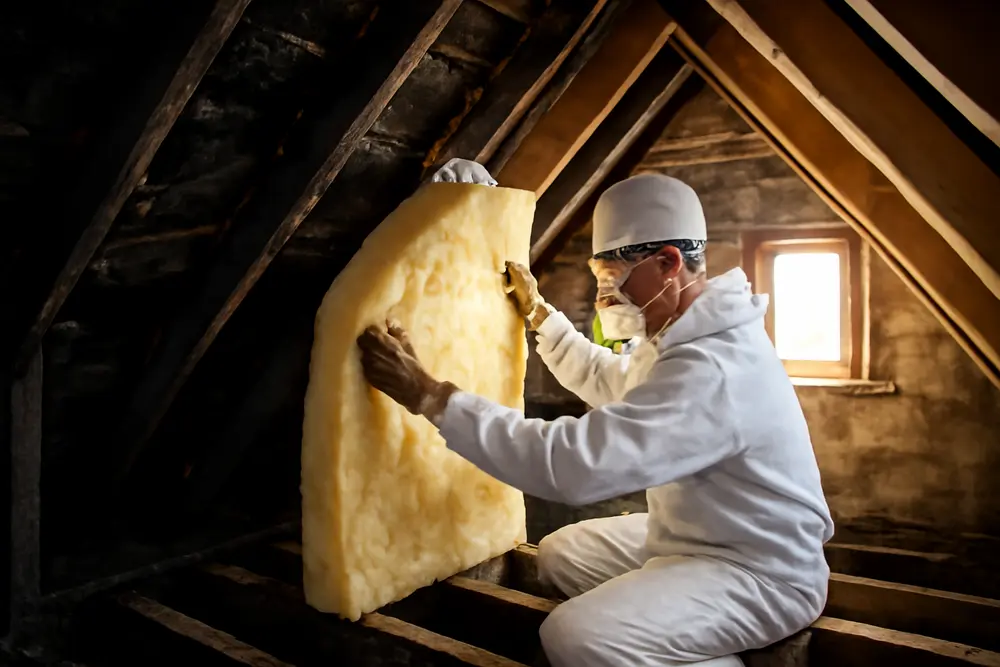
Yes, sometimes you can. Restoration is realistic when char is superficial or not present on the insulation, odor is mild to moderate, and moisture exposure was light and quickly dried. Batt insulation in open bays is the best candidate because you can expose it, HEPA vacuum the surface, deodorize the surrounding structure, and keep going if it passes the sniff and wipe tests.
Here’s where restoration techniques shine:
Light soot on batts can be removed from the surface using controlled HEPA vacuuming. Adjacent framing and sheathing can be cleaned and then sealed with an odor-blocking coating so residual odor in the wood doesn’t re-infiltrate the insulation. Air scrubbers with HEPA filtration can run during the process to keep airborne soot from re-settling. Odor control tech like hydroxyl generators or thermal fogging can neutralize lingering smells if used correctly and safely.
Can you encapsulate insulation? Sort of, but not the fluffy part. Encapsulation is best for structural surfaces, not for loose-fill or the face of batts. Sealing framing and sheathing locks odors in place so the cleaned insulation isn’t constantly marinating in smoky air. Trying to coat loose fibers is a mess, reduces performance, and is not industry best practice.
When Do You Replace It?
Replacement is the right choice when the insulation is charred, heat-damaged, or smells like smoke even after aggressive cleaning and deodorization. Blown-in that’s heavily soot-laden is typically removed by vacuum because particles hide deep and clean-up becomes slow, uncertain, and expensive. If moisture from fire suppression soaked the attic and you didn’t get rapid drying, replacement is safer to prevent mold and to recover R-value.
Other hard-stops include mold growth on or under the insulation, collapsed or settled blown-in that no longer meets thickness targets, and areas near open flame where partial combustion occurred. If you find smolder marks or fuse-like stiffening in fiberglass, that’s not a keep-it moment. When in doubt, cut out a test area, inspect the layers, and decide with real data, not hope.
How Restoration Is Done
Attic insulation restoration is a controlled sequence so you do not contaminate clean areas while you fix the dirty ones. A typical plan with Best Option Restoration of Travis County goes like this:
Stabilize the space. We set containment so soot dust doesn’t wind-tunnel through your house. Negative air machines or air scrubbers with HEPA filtration go to work. We protect access paths and staging areas because footprints of soot are not a good look for your hallway.
Source removal first. Dry clean with soot sponges on framing where appropriate, then HEPA vacuum surfaces. For batts that qualify for restoration, we position them to expose faces and edges for vacuuming. Blown-in that fails inspection gets vacuum-extracted with dedicated insulation vacs to sealed bags so we do not spread soot around.
Deodorize the structure. After physical removal comes chemistry and physics. Hydroxyl generators can run while we work and are occupant-friendly. Thermal fogging and targeted odor neutralizers help reach nooks and crannies. Ozone is powerful but used only in vacant spaces with proper controls and material considerations.
Seal the odor. We apply odor-blocking sealers on sheathing, rafters, and other surfaces that still test clean but might off-gas odor. This step is a game-changer. It prevents re-contamination of fresh insulation and shuts down that stubborn smoky aura.
Re-insulate to code. If we removed product, we reinstall the correct R-value for your zone with proper baffles, clearances around heat sources, and air sealing at penetrations. We do not bury active odors under new insulation and call it a day. New material only goes in after the attic passes a no-odor test and particle control checks out.
Moisture, Mold, And R-Value
Water is the silent saboteur after a fire. Fiberglass that looks fine might be holding enough moisture to grow mold on the sheathing or gypsum below it. Cellulose holds water even more stubbornly. If drying cannot be verified quickly, replacement prevents a bigger headache in a few weeks.
Watch your R-value. Wet or compressed insulation does not perform. Blown-in that settled during the chaos might have lost inches and therefore lost thermal resistance. Batts that were shifted or compressed need to be reset or swapped. If you can see joists peeking through a fluffy surface that used to hide them, you lost coverage. Fix the coverage or get ready for higher energy bills.
Odor Control That Works
Odor is not a single chemical. It’s a cocktail of combustion byproducts that cling to surfaces and float as aerosols. That’s why the solution is layered. Physical removal of soot comes first. Air filtration runs throughout. Deodorization with hydroxyls or fogging targets what you cannot reach by hand. Finally, encapsulating the wood structure stops micro-off-gassing long term.
Skip shortcuts like spraying perfume or painting over problems without cleaning. If it still smells after a week of ventilation, the odor is inside something. Find that something and treat it or remove it. That is the only play that sticks.
Codes, Safety, And Docs
We follow industry guidance so the work holds up under adjuster scrutiny and your own nose. The IICRC published updated fire and smoke restoration standards in 2025 that emphasize material-specific decisions, odor verification, and HVAC inspections. That aligns with what we do in attics: test, remove what fails, clean what passes, and document everything.
We also look at clearance around recessed lighting, chimneys, and flues, verify baffles at soffits for ventilation, and check for damaged electrical components. If flexible ducting ran through the attic during the fire, it may also need inspection or replacement because soot inside a duct is a permanent odor machine. We photograph every phase so your insurer sees exactly why certain materials were restored or replaced.
Costs And Insurance
Restoring light soot on batt insulation can be faster and cheaper than a full rip-out, especially in a small area. But once you cross into heavy soot in blown-in or deep odor in the mass, removal becomes the economical choice. Labor hours for endless cleaning rack up quickly, while vacuum extraction plus reinstall is predictable and thorough.
Insurance usually covers fire-related insulation work, including removal for inspection when documented properly. Here’s how to set it up right: get pre-mitigation photos of char, soot, and moisture conditions. Capture meter readings. Note odors and where they intensify. Keep waste tickets and product specs for replacement materials. If odor persists after an initial attempt, document that, too. Adjusters like facts. We deliver them.
Prevention For Next Time
Fires do not schedule appointments, but you can harden your attic. Use Class A rated materials and consider mineral wool batts near heat sources since they’re more heat tolerant. Install proper heat shields and clearances around recessed lights and flues. Air seal penetrations so future smoke has fewer pathways into the attic. Keep soffit vents clear so the attic can breathe. And service dryers, chimneys, and HVAC regularly because those are frequent starters of unwelcome heat parties.
FAQ: Attic Insulation After Fire?
Can you deodorize blown-in insulation without removing it?
Sometimes in very light smoke events, but if the odor is anything more than faint, the depth of contamination in loose-fill usually makes full removal the smarter play. Cleaning the top couple of inches does not touch what’s deeper.
Is encapsulation safe on insulation?
Encapsulation is best for wood framing and sheathing, not loose or fluffy fibers. Coating insulation can reduce performance and trap moisture. Seal the structure, then keep or replace insulation based on testing.
How fast do you have to act after a fire?
Quickly. The sooner you ventilate, filter air, and remove wet materials, the easier it is to avoid permanent odor and mold. Waiting lets residues set and moisture drive deeper into materials.
What about spray foam that smells after a fire?
If foam is charred or still stinks after structural deodorization, surgical removal of affected sections is typical. You patch those areas rather than trying to clean the foam’s surface.
Do you need to clean the HVAC when the attic is affected?
Often, yes. Soot can ride ducts and redeposit around the home. If ducts run through the attic, they should be inspected and cleaned or replaced if contaminated.
How do you know if batts are worth saving?
They pass if there’s no char, no heat glazing, light soot only, and they’re dry. A successful odor check after structural deodorization seals the deal. If any of those fail, replace them.
Need Help In Travis County?
If your attic now smells like a campfire that overstayed its welcome, call Best Option Restoration of Travis County. We handle attic insulation restoration with real soot contamination assessment, not guesswork. We’ll tell you where vacuum removal makes sense, where encapsulation and deodorization are enough, and where replacement is the only honest option. Fast response, certified techs, clean documentation, and zero fluff. Let’s make that attic boring again, in the best way.